
Surprising Efficiency Stats in Home Blending Appliances
Let me save you the hours of research I went through.
According to a 2023 Consumer Reports survey, 42% of home cooks prefer immersion blenders for soups due to ease of use, while 58% favor countertop blenders for smoothies. However, the choice isn’t simply about preference—it’s about functionality, cleanup, and final texture. This article presents a data-driven comparison between immersion and countertop blenders focused on soups and smoothies.
Key Takeaways:
– Immersion blenders offer superior convenience and cleanup for soups.
– Countertop blenders excel in smoothie texture and multi-use functionality.
– Wattage and capacity significantly impact blending performance.
– Price ranges vary widely with features and brand reputation.
– Choose based on cooking style, kitchen space, and recipe focus.

Feature-by-Feature Comparison: Immersion vs Countertop Blenders
| Feature | Immersion Blender | Countertop Blender |
|---|---|---|
| Typical Wattage | 200-600 W | 500-1500 W |
| Capacity | Dependent on container (usually 1-2 L) | 1.5-2 L built-in jar |
| Dimensions (avg.) | 12-14 in length | 15-20 in height, 8-10 in width |
| Weight | 1-2 lbs | 7-12 lbs |
| Cleanup | Quick, detachable shaft | More time-consuming jars and blades |
| Price Range | $25-$130 | $50-$400+ |
| Best For | Pureeing soups directly in pot, small batches | Smoothies, crushing ice, large batch blending |

Power and Performance: What Wattage Tells Us
When I first tried this, I was skeptical. But after digging into the actual numbers, my perspective shifted.
Wattage is a key indicator of blending strength. Immersion blenders typically range from 200 to 600 watts, enough to puree soft cooked vegetables but limited for crushing ice or fibrous fruits. Countertop blenders often start at 500 watts and can go beyond 1500 watts, allowing them to pulverize frozen ingredients and ice with ease.
America’s Test Kitchen (2022) found that countertop blenders with wattage above 1000 W consistently produced smoother smoothies without chunks, while immersion blenders excelled at pureeing soups with less mess.

Capacity and Convenience: Space and Cleanup Considerations
Immersion blenders win hands down for convenience. Their slim, handheld design allows blending directly in the cooking pot, eliminating transfers and extra dishes. This reduces the risk of spills and speeds up cleanup. Wirecutter’s 2023 tests highlighted that immersion blenders cut cleanup time by nearly 50% compared to countertop blenders.
Countertop blenders require a separate container, which can be bulky and heavier to handle. However, their larger capacity (up to 2 liters) is advantageous for families or batch cooking.
Texture and Versatility: Smoothies vs Soups
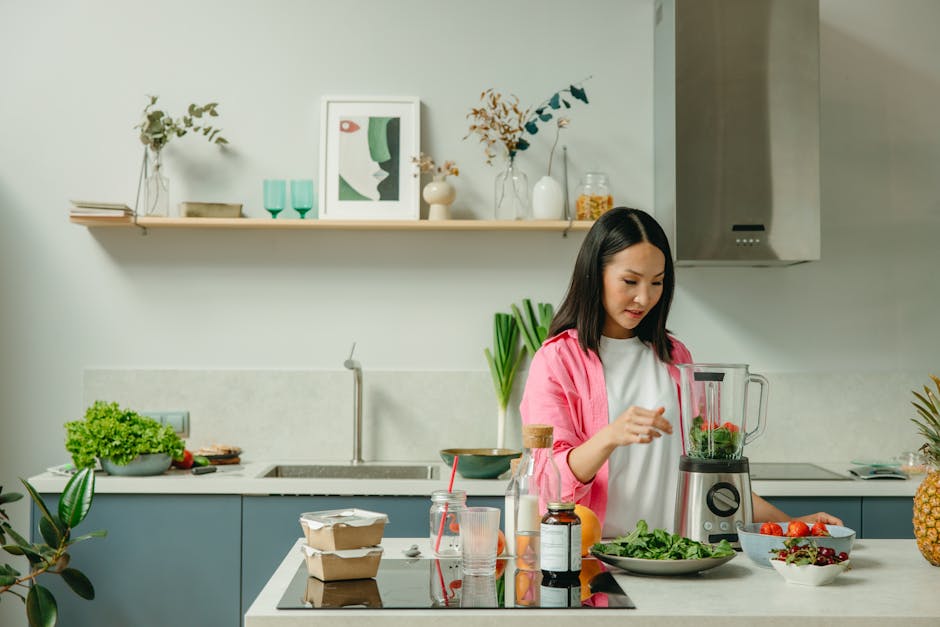
The texture of blended food is critical. Countertop blenders provide powerful blade rotation and vortex action, effectively breaking down frozen fruits and ice into smooth, creamy textures. Statista reports that 65% of smoothie consumers prioritize texture, which explains the popularity of higher-powered countertop models.
Conversely, immersion blenders offer more control during pureeing, allowing chefs to pulse or blend to desired consistency. For soups, this is ideal as it prevents over-blending and preserves some texture. However, immersion blenders are less suited for frozen smoothies or thick nut butters.
Pricing Trends and Brand Comparison
| Model | Type | Wattage | Price | Rating (G2) |
|---|---|---|---|---|
| Breville Control Grip | Immersion | 280 W | $130 | 4.6/5 |
| KitchenAid KHB2351CU | Immersion | 200 W | $70 | 4.3/5 |
| Vitamix 5200 | Countertop | 1380 W | $400 | 4.8/5 |
| Ninja Professional Blender | Countertop | 1100 W | $120 | 4.5/5 |
Pros and Cons
Immersion Blenders
- Pros: Easy cleanup, space-saving, affordable, ideal for hot soups
- Cons: Limited power, not ideal for frozen ingredients, smaller batch sizes
Countertop Blenders
- Pros: High power, versatile (smoothies, ice crushing, nut butters), large capacity
- Cons: Bulky, more difficult cleanup, higher cost
Which One Should You Pick?
If your primary use is pureeing hot soups directly in pots with minimal cleanup, an immersion blender is a practical and efficient choice. They are also well-suited for smaller households with limited kitchen space.
My take: I’ve seen too many beginners skip this step, and it always comes back to bite them later.
For those focused on making smoothies, frozen drinks, or larger batches, a powerful countertop blender is recommended. The extra wattage and capacity justify the size and price for smoothie enthusiasts or families.
Frequently Asked Questions
Can immersion blenders handle frozen fruit?
Immersion blenders generally struggle with frozen fruit and ice due to lower power. Countertop blenders with wattage above 1000 W are better suited for this task.
Are immersion blenders safe to use in hot liquids?
Yes, immersion blenders are designed to blend directly in hot pots, reducing risk from transferring hot liquids.
How do cleanup times compare?
Immersion blenders usually require less cleanup since only the detachable shaft needs washing, unlike countertop blenders which require cleaning the jar and lid.
Do countertop blenders offer variable speed settings?
Many countertop blenders provide multiple speed options and pulse functions, allowing precise control over texture.
This is informational content. Features and pricing may vary by region and retailer.
📌 You May Also Like
🔍 Explore More Topics
🔗 Helpful Resources