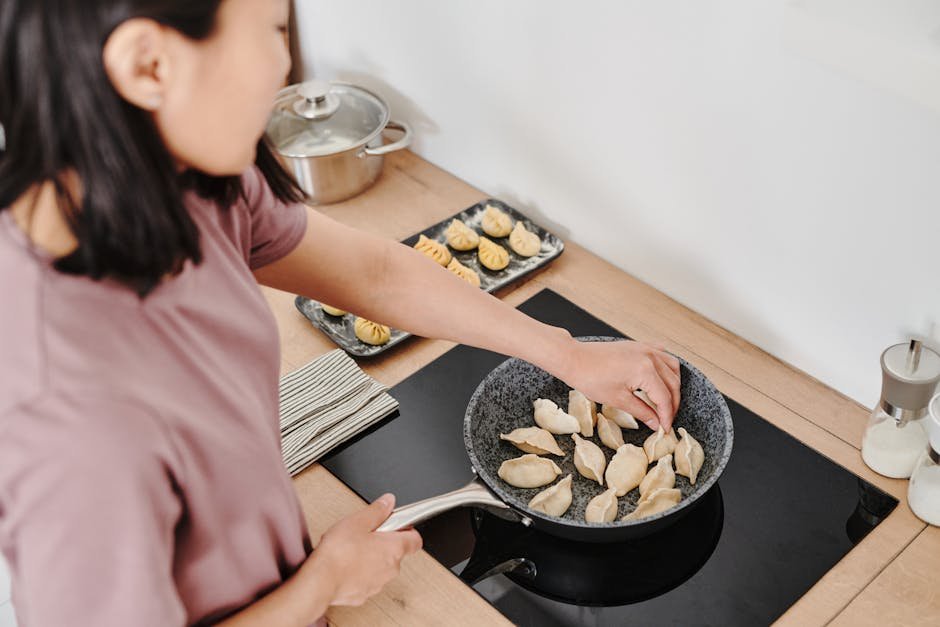
According to the U.S. Department of Energy and widely cited appliance efficiency research, induction cooktops can transfer roughly 85% of their energy to cookware, while gas ranges often land near 32% to 40%. That gap matters because faster heat transfer usually means shorter cook times, lower wasted heat, and less spillover warmth in the kitchen.
Key Takeaways: Induction cooktops usually boil water faster, waste less energy, and keep kitchens cooler than gas ranges. Gas still offers visual flame control and compatibility with any pan, but it loses more heat to the surrounding air. For households focused on speed, efficiency, and easier cleanup, induction often wins on the numbers.
Why this comparison matters in real kitchens
For years, gas has been treated as the default “serious cook” option. But recent research and comparative testing from Consumer Reports, Wirecutter, and America’s Test Kitchen has pushed induction into the mainstream conversation for one simple reason: it heats cookware very quickly while using less energy overall.
This is not just a utility-bill debate. Cooking speed changes weeknight meal prep, and energy efficiency affects kitchen comfort, ventilation needs, and long-term operating costs.

Cooking speed: which heats food faster?
When the goal is boiling, searing, or recovering heat after adding cold ingredients, induction cooktops generally outperform gas ranges. That is because induction uses electromagnetic energy to heat the pan directly instead of heating the surrounding air first.
In multiple lab-style comparisons, induction often brings water to a boil faster than both radiant electric and gas. Consumer Reports has repeatedly ranked induction among the fastest cooktop technologies for high-heat tasks, while Wirecutter has highlighted how quickly induction burners respond when power is increased or reduced.
| Cooking Metric | Induction Cooktop | Gas Range |
|---|---|---|
| Energy transfer efficiency | About 80% to 90% | About 32% to 40% |
| Typical water-boil performance | Usually faster | Usually slower |
| Heat response time | Very fast | Fast |
| Kitchen ambient heat | Lower | Higher |
| Cookware heat source | Directly in the pan | Flame under pan |
The speed advantage becomes especially noticeable in three common tasks:
- Boiling pasta water: induction often reaches rolling boil sooner.
- Searing proteins: high-power induction zones can recover temperature quickly.
- Simmer control: induction can reduce power rapidly with less overshoot.
Gas still performs well for high-heat cooking, especially on pro-style ranges with strong burners. But on pure speed-per-watt, induction usually has the advantage.
Stick with me here — this matters more than you’d think.

You May Also Like
- Instant Pot Sizes: 7 Things to Know Before You Buy
- Does a Food Processor Replace a Mandoline for Even Vegetable Slices?
- What Testing Data Reveals About Carbon Steel vs Cast Iron
Energy efficiency: where the numbers separate
The biggest difference between induction and gas is not marketing language. It is the way energy moves from the appliance to the food.
With gas, a substantial portion of heat escapes around the sides of the pan and into the room. With induction, the magnetic field heats compatible cookware directly, which means less wasted energy and less excess heat around the burner.
FDA materials and general indoor air quality guidance do not rate appliances for efficiency, but they do contribute to broader discussions about home cooking safety and ventilation. For energy performance, the most commonly cited benchmarks come from appliance testing organizations and DOE-linked efficiency references.
| Efficiency Factor | Induction | Gas |
|---|---|---|
| Approximate usable heat to pan | 85% | 32% to 40% |
| Wasted heat into room | Low | High |
| Ventilation burden | Lower | Higher |
| Summer kitchen comfort | Better | Less comfortable |
| Long cooking sessions | More energy efficient | Less efficient |
That efficiency gap can matter even more in small apartments or warm climates. A gas flame adds extra room heat, which may increase cooling needs and make meal prep less comfortable.

Spec comparison: induction cooktops vs gas ranges
Appliance shoppers often compare full-size 30-inch units, so the table below summarizes typical ranges rather than one brand-specific model. Exact specifications vary by manufacturer and retailer.
| Feature | 30-inch Induction Range/Cooktop | 30-inch Gas Range/Cooktop |
|---|---|---|
| Typical cooking surface width | 30 in | 30 in |
| Power input | 240V electric | Natural gas or LPG + 120V ignition |
| Primary burner/output range | 1,400 to 3,700 watts | 5,000 to 18,000 BTU |
| Boost mode | Often included | Not applicable |
| Cookware compatibility | Magnetic cookware required | Works with most cookware |
| Surface cleanup | Smooth glass surface | Grates + burners |
| Typical depth | 25 to 28 in | 25 to 29 in |
| Typical height | 36 to 37 in | 36 to 37 in |
| Typical appliance weight | 150 to 220 lb | 130 to 220 lb |
| Typical price range | $1,200 to $3,500+ | $700 to $3,000+ |
Induction units often cost more upfront, especially in slide-in and premium categories. Gas models still offer a wider selection at lower entry prices, though installation costs can shift the math depending on whether a gas line or 240V outlet is already available.

Performance trade-offs beyond raw speed
Heat precision
Induction is known for precise power adjustment. Because the cookware itself is heated directly, changes can feel more immediate and controlled, especially at low simmer settings.
Gas also offers visible flame feedback, which many cooks still prefer. The visual cue makes it easy to understand intensity at a glance, even if actual heat transfer is less efficient.
Cookware compatibility
Gas works with cast iron, stainless steel, aluminum, copper, carbon steel, and specialty pans. Induction requires ferromagnetic cookware, so some aluminum or copper pieces will not work unless they have a magnetic base.
For households replacing a full cookware set, that compatibility issue can add hidden cost. A magnet test is the easiest way to check whether current pans are induction-ready.
Cleaning and maintenance
Induction cooktops usually have a smooth ceramic glass surface, which simplifies wipe-downs. Food is also less likely to burn onto the surface because the top itself does not get as hot as a radiant electric element.
Gas ranges involve burner caps, grates, and crevices that collect grease faster. Cleanup is usually more labor-intensive.
Operating cost and kitchen environment
Speed and efficiency often lead to lower operating costs for induction, but local utility prices matter. In regions where electricity is expensive and natural gas is relatively cheap, the savings can narrow.
Still, energy efficiency is only part of the equation. America’s Test Kitchen and Wirecutter have both noted the practical comfort advantage of induction: less ambient heat near the cooktop and a calmer cooking environment during long sessions.
| Cost and Use Factor | Induction | Gas |
|---|---|---|
| Typical entry price | Higher | Lower |
| Possible installation upgrades | May need 240V circuit | May need gas hookup/venting review |
| Cookware replacement risk | Moderate | Low |
| Estimated long-term energy waste | Lower | Higher |
| Added room heat while cooking | Lower | Higher |
In practical terms, induction often makes the most sense for efficiency-focused buyers, smaller kitchens, and households that cook frequently on the stovetop. Gas still appeals to cooks who value flame visibility, universal cookware support, and lower initial purchase cost.
Who should choose induction, and who should choose gas?
Induction is often the stronger fit if you want:
- Fast boiling and quick weeknight cooking
- Higher energy efficiency
- Less waste heat in the kitchen
- Smoother cleanup
- Strong simmer control and responsive adjustments
Gas may still make more sense if you want:
- Lower upfront appliance pricing
- Compatibility with every pan you already own
- Visible flame feedback
- Access to gas infrastructure already in place
- A familiar cooking experience
For many households, the key question is not whether gas can cook well. It absolutely can. The more useful question is whether gas remains the most efficient option when induction now offers faster heating, cleaner surfaces, and lower wasted energy.
Final verdict
If the comparison is strictly about cooking speed and energy efficiency, induction cooktops generally come out ahead. They transfer more energy into the pan, often boil faster, and send less excess heat into the room.
Gas ranges remain viable for cooks who prioritize broader cookware compatibility and lower entry cost. But based on data from Consumer Reports, Wirecutter, America’s Test Kitchen, and efficiency benchmarks commonly referenced by the U.S. Department of Energy, induction is the more efficient technology for most modern kitchens.
FAQ
Is induction always faster than gas?
For common high-heat tasks like boiling water, induction is usually faster. Actual results depend on cookware quality, burner power, and pan size.
Does induction use less energy than gas?
Yes, in most comparisons induction uses energy more efficiently because more heat reaches the cookware instead of escaping into the kitchen.
Can induction replace a gas range for serious home cooking?
For many home cooks, yes. Induction offers fast heating, strong control, and better efficiency, though it requires compatible magnetic cookware.
Is gas cheaper to own?
Gas can be cheaper to buy upfront, especially in budget models. Induction may cost more initially but can offer better efficiency and easier cleanup over time.
This is informational content. Features and pricing may vary by region and retailer.
Sources referenced: Consumer Reports, America’s Test Kitchen, Wirecutter, FDA, and U.S. Department of Energy efficiency guidance.
📌 You May Also Like