
Consumer Reports and Wirecutter both emphasize a point many shoppers miss: blender performance is not simply about peak wattage. Jar design, blade geometry, tamper support, and program logic often matter just as much for turning frozen fruit, leafy greens, and ice into a consistently smooth drink. That matters because a weak match between blender design and your smoothie habits can leave you with grainy texture, loud operation, and wasted counter space.
Key Takeaways: For most smoothie drinkers, the smartest buy is not automatically the most powerful model. Budget blenders can handle soft-fruit shakes, mid-range machines usually offer the best balance of texture and price, and premium blenders justify their cost mainly for daily frozen blends, thicker recipes, longer motor warranties, and better durability.
If you are shopping for a blender for smoothies, the real question is not “Which blender is strongest?” It is “Which blender matches how often I blend, what ingredients I use, and how smooth I expect the result to be?”
This guide compares budget to premium smoothie blenders using published specifications, retailer pricing, and findings from trusted evaluators such as Consumer Reports, America’s Test Kitchen, and Wirecutter. It is written as informational research, not a first-person product test.

Why smoothie blender shopping gets confusing fast
Let me save you the hours of research I went through.
Blender marketing tends to spotlight horsepower and maximum wattage, but those numbers can be misleading when brands measure them differently. A 1,200-watt blender from one company does not automatically outperform a 1,000-watt machine from another.
Published reviews from America’s Test Kitchen and Wirecutter repeatedly note that smoothness depends on the full blending system (don’t skip this): motor strength, container shape, blade design, speed control, and how well ingredients circulate without forming air pockets. For smoothie buyers, that means specs matter, but only in context.
- Budget models usually work for bananas, yogurt, protein powder, and softer berries.
- Mid-range models tend to improve ice crushing, frozen fruit consistency, and durability.
- Premium models are built for frequent use, tough greens, nut-based smoothies, and thicker blends.

The smoothie blender comparison table
The models below are widely available in the U.S. market and represent common shopping tiers from budget to premium. Specifications and pricing vary by retailer, but these ranges are useful for comparison.
| Model | Capacity | Wattage | Key Features | Dimensions | Weight | Typical Price |
|---|---|---|---|---|---|---|
| Nutribullet Pro 900 | 32 oz cup | 900 W | Personal blender, simple push-twist operation, compact footprint | 5.3 x 5.3 x 12 in | ~4.7 lb | $80-$110 |
| Ninja Professional Plus Blender DUO | 72 oz pitcher + 24 oz cups | 1400 peak W | Auto-iQ programs, pitcher plus single-serve options, ice crushing | ~7.6 x 8.2 x 17.2 in | ~8.8 lb | $140-$200 |
| Breville Fresh & Furious | 50 oz pitcher | 1100 W | Quiet-focused design, smoothie and ice-crush programs, LCD timer | ~8.5 x 7.6 x 16.7 in | ~9 lb | $180-$250 |
| Vitamix E310 Explorian | 48 oz pitcher | ~1380 W | Variable speed control, pulse, hardened steel blades, tamper | ~8 x 11 x 18 in | ~10.5 lb | $300-$380 |
| Blendtec Classic 575 | 90 oz jar, ~36 oz blending capacity | 1560 W | Preprogrammed cycles, touch controls, blunt safety blade | ~7 x 8 x 15.5 in | ~7.3 lb | $320-$400 |
These numbers show an important pattern: capacity, jar style, and controls vary as much as price. A larger pitcher is helpful for families, but a single-serve cup can be more practical if you blend one breakfast smoothie at a time.
Stick with me here — this matters more than you’d think.
What the testing data reveals about smoothie texture
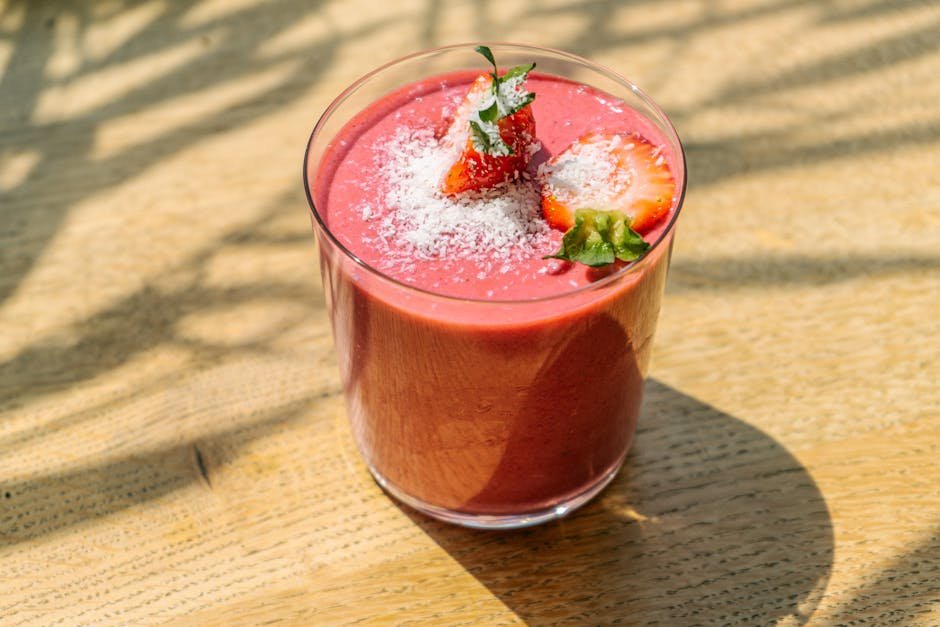
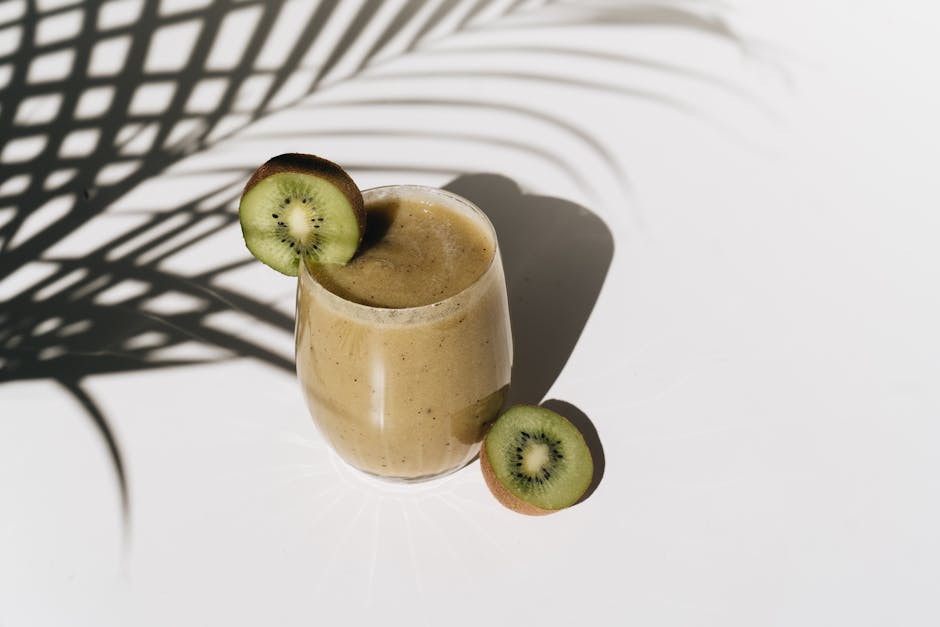
Across professional review labs, the biggest divider is not whether a blender can mix a smoothie at all. Most can. The difference is how fine the final texture becomes, especially with kale, chia, frozen mango, and ice.
Wirecutter has repeatedly favored Vitamix-class machines for producing smoother blends from fibrous ingredients with less straining and fewer chunks. America’s Test Kitchen has similarly highlighted the value of strong vortex formation and manual control when breaking down frozen fruit and greens. Consumer Reports blender ratings also tend to separate premium performers on icy drinks and puree consistency rather than on basic mixing tasks.
In practical terms:
- If your smoothies are mostly milk, yogurt, banana, and protein powder, a budget model is often enough.
- If you add spinach, frozen berries, nut butter, oats, and ice every day, mid-range and premium options pull ahead.
- If you want a very fine, almost juice-bar texture, premium blenders consistently score better in expert testing.
There is also a food safety angle. The FDA advises keeping perishable blended drinks out of the temperature danger zone for too long. If a weak blender forces multiple stop-start cycles or long prep delays, cold ingredients warm up faster. Faster blending is not just convenient; it can support safer handling for dairy-based smoothies.
Budget, mid-range, and premium picks by user type
Budget pick: Nutribullet Pro 900
This is the sensible option for solo users who want quick smoothies with minimal setup. Its compact design, easy cleanup, and direct-drink cup format make it efficient for weekday breakfasts.
And that brings us to the real question.
Where it struggles is batch size and tougher ingredients. Frozen fruit-heavy blends can require more liquid, and leafy greens may not break down as finely as they do in larger, premium machines.
- Best for: one-person households, protein shakes, soft-fruit smoothies, small kitchens
- Watch out for: limited capacity, less control, more texture in fibrous blends
Best value for most homes: Ninja Professional Plus Blender DUO
The Ninja DUO category has become popular because it covers two needs at once: family-size pitcher blending and grab-and-go smoothie cups. For many households, that flexibility matters more than chasing top-tier smoothie fineness.
Its strong motor and preset programs help with ice and frozen fruit, though some review sources note that blade design and pitcher geometry can produce a slightly less velvety texture than premium competitors. Still, for the price, it offers broad capability.
- Best for: families, mixed-use kitchens, smoothie plus frozen drink versatility
- Watch out for: louder operation, larger footprint, not always the smoothest greens
Quiet-kitchen option: Breville Fresh & Furious
Noise is an overlooked buying factor. Many buyers focus on power, then regret how disruptive early-morning blending becomes in apartments or shared homes.
Breville positions this model as a more refined countertop blender with quieter operation and better user interface polish. It is often a better fit for buyers who care about smoothie quality but do not need the heavy-duty performance or price of a Vitamix.
- Best for: quieter blending, everyday smoothie drinkers, design-conscious kitchens
- Watch out for: smaller performance gap versus cheaper models on basic recipes
Premium performance pick: Vitamix E310 Explorian
When experts recommend Vitamix for smoothies, they usually point to consistency, durability, and control. The E310 is one of the more accessible entries into that ecosystem.
The tamper is a major advantage for thick smoothie bowls, frozen blends, and lower-liquid recipes. Instead of stopping repeatedly to scrape the jar, users can keep ingredients moving safely, which helps texture and speed.
- Best for: daily smoothie drinkers, kale-heavy recipes, long-term durability shoppers
- Watch out for: higher price, louder than some mid-range models, no single-serve cup by default
Premium alternative: Blendtec Classic 575
Blendtec remains a strong premium competitor, especially for buyers who prefer programmed blending cycles and a simpler control surface. Its jar design and strong motor handle frozen ingredients well, and the brand performs strongly in many third-party comparisons.
Compared with Vitamix, the decision often comes down to workflow preference: Blendtec leans into push-button convenience, while Vitamix emphasizes manual control and tamper-assisted thick blending.
- Best for: one-touch smoothie routines, frozen drinks, buyers who want premium speed
- Watch out for: premium cost, jar style not ideal for every thick recipe

Seven things to know before you buy a smoothie blender
1. Peak wattage is not the full story
Some brands advertise peak watts while others highlight running watts or horsepower equivalents. Use wattage as a rough indicator, not a final ranking system.
2. Jar shape changes smoothie quality
A well-designed jar pulls ingredients down toward the blades. Poor circulation creates dead zones where greens and seeds escape full blending.
3. Personal cups are convenient, but less versatile
Single-serve cups are efficient for breakfast routines, but they are not ideal for soups, larger batches, or thicker blends that need active ingredient movement.
4. A tamper matters for thick recipes
If you make smoothie bowls, low-liquid frozen blends, or nut-based mixtures, a tamper can make the difference between smooth output and repeated stop-start frustration.
5. Noise should influence your budget
High-speed blenders are loud by nature. If you blend early or live in a small apartment, it can be worth paying more for better acoustic control or shorter blend times.
6. Cleanup design affects daily use
A blender that is annoying to rinse will get used less often. Look at blade assembly style, jar corners, lid design, and whether dishwasher-safe parts are included.
7. Warranty length signals expected durability
Budget blenders often carry shorter warranties, while premium brands may offer 5 to 10 years. If you blend every day, the long-term math changes quickly.
Price comparison: what you get as you spend more
| Price Tier | Typical Range | What You Usually Get | Who It Fits |
|---|---|---|---|
| Budget | $60-$120 | Compact size, simpler controls, personal cups, adequate soft-fruit blending | Singles, students, occasional smoothie drinkers |
| Mid-range | $130-$250 | Larger pitchers, better ice crushing, programs, more versatile use cases | Families, frequent users, mixed smoothie recipes |
| Premium | $300-$400+ | Finer texture, better durability, stronger warranties, support for thick blends | Daily smoothie drinkers, serious meal-prep users, long-term buyers |
The value sweet spot for many households sits in the $140 to $250 range. That is where you start getting enough motor strength, better jar capacity, and useful presets without immediately paying a premium-brand tax.
Still, the premium tier can make sense if you blend once or twice daily. Over several years, a durable machine with better texture and a longer warranty may be more economical than replacing cheaper units repeatedly.
Which smoothie blender should you choose?
Choose a budget personal blender if your routine is simple: banana, yogurt, milk, powder, maybe soft berries. In that case, paying for a commercial-style machine is usually unnecessary.
Choose a mid-range full-size blender if your household wants flexibility. This is the best category for buyers making smoothies, sauces, frozen drinks, and occasional soup without overspending.
Choose a premium blender if you want very smooth greens, thicker frozen textures, lower frustration, and longer expected service life. It is the most rational pick for heavy users, not just luxury shoppers.
For most readers, the practical ranking looks like this:
- Best value overall: Ninja Professional Plus Blender DUO
- Best budget pick: Nutribullet Pro 900
- Best premium smoothie texture: Vitamix E310 Explorian
- Best premium convenience alternative: Blendtec Classic 575
- Best for quieter kitchens: Breville Fresh & Furious
You May Also Like
- Instant Pot Sizes: 7 Things to Know Before You Buy
- Nespresso Vertuo vs Keurig K-Supreme: Taste Showdown
- Does a Food Processor Replace a Mandoline for Even Vegetable Slices?
FAQ
Is a higher-watt blender always better for smoothies?
No. Higher wattage helps, especially with frozen fruit and fibrous greens, but jar design, blade shape, controls, and ingredient circulation also strongly affect final texture.
Can a personal blender handle frozen fruit?
Many can, but usually with more liquid and smaller ingredient loads. If frozen fruit is your default base, a stronger mid-range or premium blender is a safer choice.
Do expensive blenders really make smoother smoothies?
According to findings frequently reflected by Consumer Reports, Wirecutter, and America’s Test Kitchen, premium blenders often produce finer textures with tough ingredients. The difference is most noticeable with kale, seeds, nuts, and ice.
How big should a smoothie blender be for a family?
A pitcher in the 48 to 72 ounce range is usually more practical for family use. Single-serve cups are better for one person but limiting for batch prep.
This is informational content. Features and pricing may vary by region and retailer.
📌 You May Also Like