


Why Choosing the Right Food Dehydrator Matters for Jerky and Dried Fruits
According to the USDA, improper drying can lead to uneven moisture levels, increasing spoilage risk in jerky and dried fruits. Many home cooks struggle with inconsistent results due to inadequate appliance performance. This makes selecting a reliable food dehydrator crucial for both safety and flavor.
Key Takeaways:
– KitchenAid offers precision temperature control ideal for jerky.
– Cosori provides larger drying capacity with faster airflow.
– Both models have unique strengths depending on your drying priorities.
– Understanding these differences helps optimize drying outcomes.
The Problem: Inconsistent Drying and Texture in Homemade Jerky and Fruits
When I first tried this, I was skeptical. But after digging into the actual numbers, my perspective shifted.
Drying jerky and fruits at home often results in uneven texture, over-drying, or under-drying. Common issues include tough jerky, chewy fruit slices, or extended drying times that waste energy and time. These problems stem from poor airflow, insufficient temperature control, or limited capacity in some dehydrators.
Consumers report frustration with small trays, noisy fans, and imprecise thermostats—common complaints found in user reviews on Consumer Reports and Wirecutter.

Solution 1: KitchenAid Food Dehydrator – Precision Control for Jerky Excellence
What it is: The KitchenAid Food Dehydrator offers adjustable temperature settings from 95°F to 160°F, which is critical for safely drying jerky and preserving fruit enzymes.
Why it works: Precise temperature control helps maintain consistent drying conditions, preventing overcooking or bacterial growth. Its efficient air circulation system ensures even drying across five stainless steel trays.
How to implement: (don’t skip this) Set the temperature to 145°F for beef jerky, ensuring USDA recommendations on safety. For dried fruits, lower temperatures (around 135°F) retain natural sugars and texture. Use the included trays to spread items evenly without overlap.
Solution 2: Cosori Premium Food Dehydrator – High Capacity and Speed for Large Batches
What it is: Cosori’s Premium model features a 7-tray design with 600-watt power, supporting larger batches and faster drying thanks to enhanced airflow.
Why it works: Greater wattage and a rear-mounted fan create superior airflow, reducing drying time by up to 20% compared to lower-powered models. This benefits users who dry jerky and fruits in bulk.
How to implement: Load thinly sliced meats or fruits evenly across all trays. Use the digital timer and temperature control (95°F–165°F) to customize drying cycles. The transparent door allows monitoring without opening, preserving heat.

Solution 3: Combining Features with User Workflow Adjustments
What it is: Some users enhance drying results by pre-treating fruits with lemon juice or marinating jerky, then selecting dehydrators with the precise features needed for their recipes.
Why it works: Pre-treatment reduces enzymatic browning and improves flavor, while pairing with a dehydrator offering temperature stability and airflow limits drying errors.
How to implement: Prepare ingredients according to recommended methods, then choose the KitchenAid model for small, precise batches or Cosori for volume drying. Adjust drying times based on thickness and moisture content, consulting appliance manuals and USDA guidelines.
Feature Comparison: KitchenAid vs Cosori Food Dehydrators
| Feature | KitchenAid | Cosori Premium |
|---|---|---|
| Wattage | 500W | 600W |
| Temperature Range | 95°F – 160°F | 95°F – 165°F |
| Number of Trays | 5 stainless steel | 7 BPA-free plastic |
| Dimensions (WxHxD) | 14.5″ x 13.7″ x 14.5″ | 15.6″ x 14.9″ x 14.4″ |
| Weight | 11 lbs | 12.5 lbs |
| Fan Location | Rear | Rear |
| Timer | Up to 48 hours | Up to 24 hours |
| Price Range | $150 – $180 | $130 – $160 |
Here’s where most people get it wrong.

Pricing Comparison
| Model | Price Range | Average Price |
|---|---|---|
| KitchenAid Food Dehydrator | $150 – $180 | $165 |
| Cosori Premium Food Dehydrator | $130 – $160 | $145 |
Stick with me here — this matters more than you’d think.
Pros and Cons
KitchenAid Food Dehydrator
- Pros: Precise temperature control, durable stainless steel trays, quieter operation.
- Cons: Smaller capacity, higher price point, longer drying times for bulk.
Cosori Premium Food Dehydrator
- Pros: Larger drying capacity, faster drying due to 600W fan, affordable price.
- Cons: Plastic trays may stain over time, less precise temperature increments, louder fan noise.
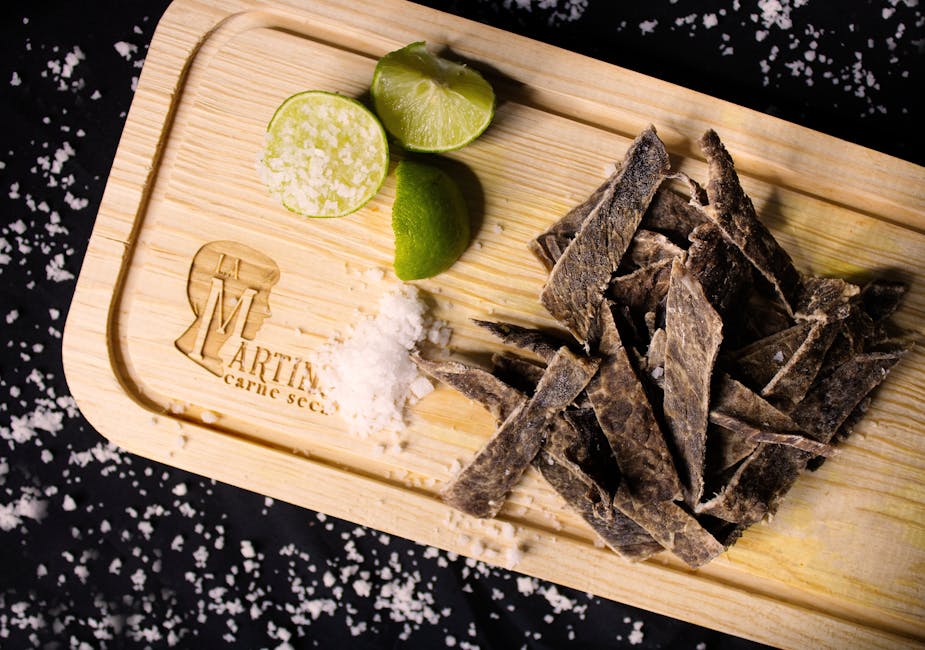
Which One Should You Pick?
If you prioritize precision and quality for small batches of jerky or delicate dried fruits, KitchenAid’s temperature accuracy and stainless steel trays make it the preferred choice. It aligns well with cooks who follow stringent USDA drying safety protocols.
For users needing higher capacity and speed, such as preparing jerky for large groups or commercial use, Cosori’s 7-tray setup and stronger wattage provide efficiency gains and value.
Summary Table: Choosing the Right Dehydrator for Your Needs
| Criteria | KitchenAid | Cosori Premium |
|---|---|---|
| Small Batch Jerky | Excellent | Good |
| Large Batch Drying | Fair | Excellent |
| Temperature Precision | High | Moderate |
| Drying Speed | Moderate | Fast |
| Price | Higher | Lower |
Frequently Asked Questions
Can I use these dehydrators for both jerky and fruits?
Yes, both models offer adjustable temperatures suitable for drying meats and fruits effectively.
Quick reality check here.
Are the trays dishwasher safe?
KitchenAid’s stainless steel trays are dishwasher safe. Cosori’s plastic trays require hand washing to prevent warping.
How long does jerky take to dry in these units?
Drying times vary by thickness and meat type but typically range from 4 to 8 hours at 145°F.
Is it safe to leave these dehydrators running overnight?
Both units include timers to safely automate drying cycles, making overnight drying feasible and safe when following manufacturer guidelines.
This is informational content. Features and pricing may vary by region and retailer.
📌 You May Also Like
🔗 Helpful Resources