

America’s Test Kitchen has repeatedly highlighted a simple truth that surprises many beginners: pan material can change browning speed, heat retention, and recovery more than burner power alone. That matters when you are chasing a steakhouse crust, blistered vegetables, or fast stir-fry results at home.
For cooks comparing carbon steel pans with cast iron, the choice is not just about tradition. It is about how each material stores heat, responds to temperature changes, handles movement, and fits the way you cook. Consumer Reports, Wirecutter, and cookware makers all point to the same core tradeoff: cast iron usually wins on raw heat retention, while carbon steel often wins on speed and maneuverability.
Key Takeaways: Carbon steel generally heats and cools faster, feels lighter in hand, and works especially well for wok-style cooking. Cast iron usually retains heat longer, delivers excellent crust formation for searing, and forgives temperature drops better when cold food hits the pan. For many beginners, the right pick depends less on brand hype and more on cooking style, stove strength, and tolerance for pan weight and maintenance.
If you are trying to decide between the two for high-heat searing and wok cooking, this guide breaks down what each pan does best, how the materials work, what numbers matter, and which one makes more sense for your kitchen.
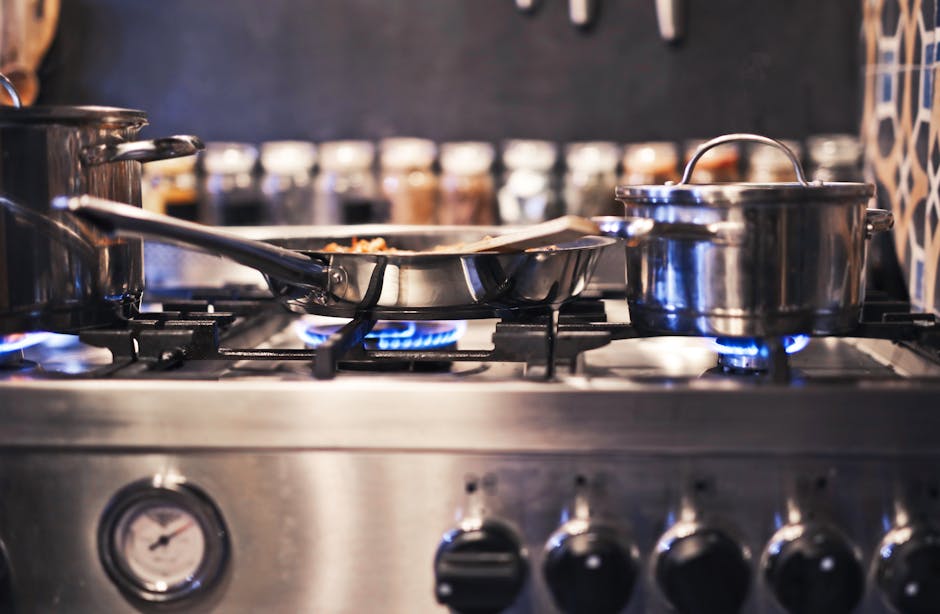
What Is Carbon Steel, and How Is It Different From Cast Iron?
Let me save you the hours of research I went through.
Carbon steel and cast iron are both iron-based cookware, but they are made differently and behave differently on the stove. Cast iron is made by pouring molten iron into molds, which creates a thicker, heavier pan with substantial thermal mass.
Carbon steel is formed from sheets of iron and carbon alloy, then stamped or spun into shape. The result is a thinner, lighter pan that still develops seasoning like cast iron, but reacts faster to heat changes.
Both materials are usually seasoned rather than coated with a synthetic nonstick layer. That seasoning is a polymerized oil layer created over time with heat, and it improves food release while helping protect the metal surface from rust.
For beginners, the simplest distinction is this: cast iron is the heavyweight heat holder, while carbon steel is the faster-moving heat responder. Neither is universally better. Each solves a different cooking problem.
| Feature | Carbon Steel Pan | Cast Iron Pan |
|---|---|---|
| Material form | Rolled or stamped steel sheet | Poured molten iron |
| Typical wall thickness | 2-3 mm | 4-5 mm or more |
| Typical 12-inch skillet weight | 4-6 lb | 7-9 lb |
| Heat response | Faster | Slower |
| Heat retention | Moderate to high | High |
| Best known for | Agile high-heat cooking, wok-style tossing | Deep searing, stable browning, oven use |
| Seasoning needed | Yes | Yes |
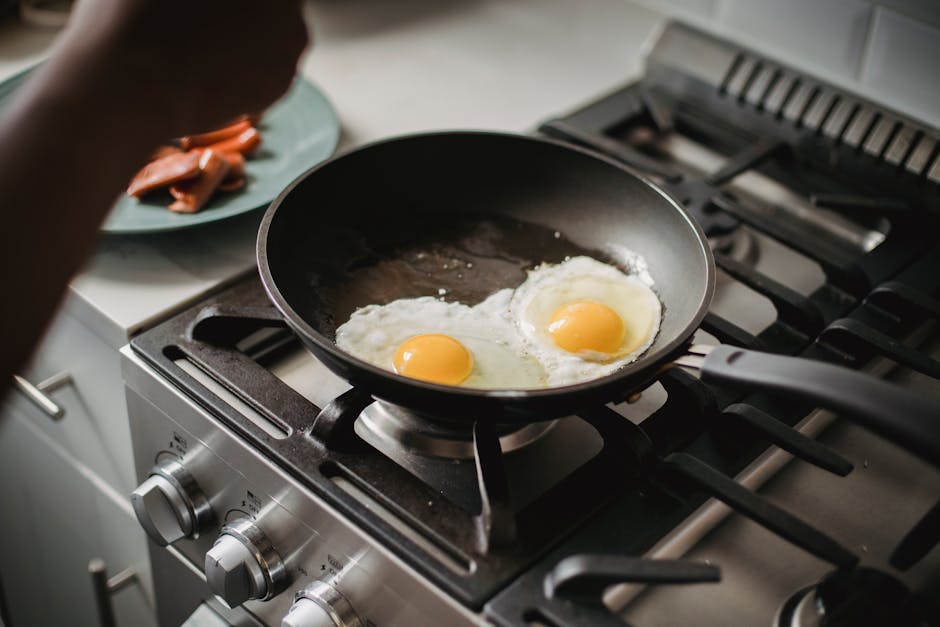
Why This Choice Matters for High-Heat Cooking
High-heat cooking is where cookware differences become obvious. A pan that cannot recover temperature after you add a cold steak or a large batch of vegetables will steam food instead of browning it.
That is why professional-looking results often depend on thermal behavior, not just recipe steps. The better your pan matches your goal, the more likely you are to get crisp edges, strong Maillard browning, and less moisture buildup.
For searing, the question is usually about heat retention. When meat hits the pan, surface temperature drops. A heavier cast iron pan often holds enough stored heat to keep browning aggressively.
For wok cooking, the question shifts toward heat responsiveness and movement. Stir-frying works best when ingredients can be moved quickly across hot and cooler zones, and when the cook can lift, tilt, or toss the pan with control. That is where carbon steel often feels more natural.
- Choose cast iron when: your priority is crust, steady heat, and minimal temperature drop during searing.
- Choose carbon steel when: your priority is speed, tossing, and fast burner response for stir-fries and mixed high-heat tasks.
- Consider your stove: gas burners pair especially well with woks, while electric and induction may favor flatter carbon steel skillets or cast iron pans.

How Heat Works in Carbon Steel and Cast Iron
To make a smart choice, it helps to define a few terms in plain English. Heat retention means how well the pan holds energy after heating. Heat responsiveness means how quickly the pan reacts when the burner goes up or down.
Cast iron usually stores more heat because it is thicker and heavier. That makes it excellent for searing steaks, burgers, pork chops, and thick vegetables where you want sustained contact heat.
Carbon steel generally changes temperature faster because it is thinner. That helps when you want to sauté aromatics, shift from high to medium heat quickly, or move ingredients around the pan during wok cooking.
Wirecutter and America’s Test Kitchen both note that carbon steel can create excellent browning, but it often depends more on proper preheating and avoiding overcrowding. Cast iron tends to be more forgiving once fully heated because it does not lose as much energy on contact.
| Performance Area | Carbon Steel | Cast Iron |
|---|---|---|
| Preheat speed | Usually 3-5 minutes | Usually 5-8 minutes |
| Recovery after adding cold food | Good | Very good |
| Temperature control | More responsive | Less responsive |
| Risk of hot spots | Moderate on weak burners | Moderate, but buffered by mass |
| Ease of tossing food | Better | Poor to fair |
In practical terms, cast iron is often the easier searing tool for beginners. Carbon steel can match it, but usually requires more attention to preheat, ingredient size, and batch volume.
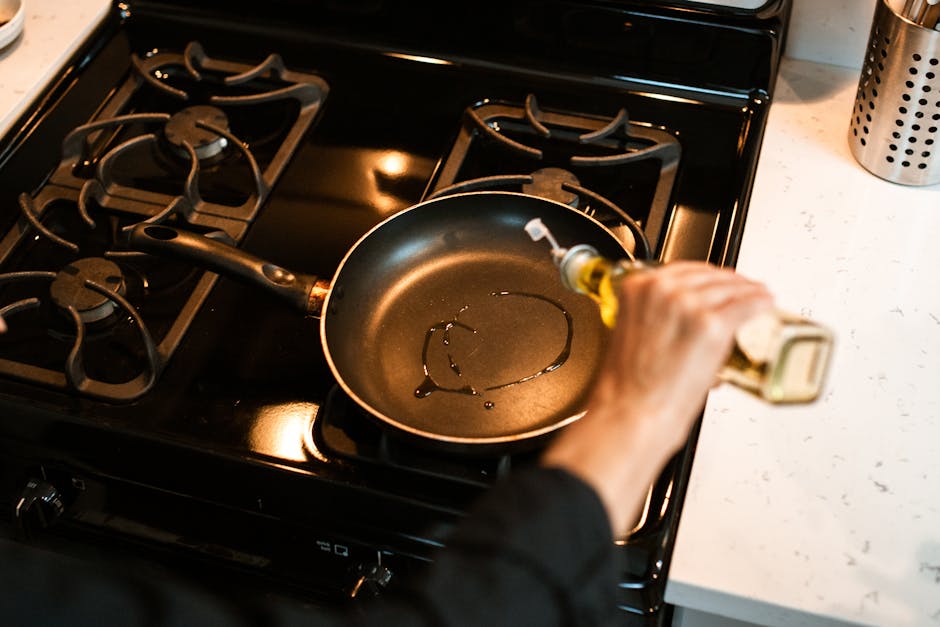
Getting Started: Which Pan Is Better for Searing?
If your main goal is high-heat searing, cast iron has the clearer advantage for most home kitchens. Its mass helps it stay hot when cold protein hits the surface, which improves crust formation and reduces the chance of gray, wet patches.
That advantage matters even more on average home burners, which are often much less powerful than restaurant ranges. A powerful commercial-style burner can help carbon steel recover quickly, but many beginner kitchens do not have that level of output.
Now, here’s what most people miss.
Still, carbon steel is not a weak searing option. A 10- to 12-inch carbon steel skillet with a 2.5 mm to 3 mm body can sear very well, especially for thinner steaks, chicken thighs, fish, or smaller batches of vegetables.
The main difference is margin for error. Cast iron gives you more buffer. Carbon steel rewards technique.
When cast iron works best for searing
- Thick steaks, usually 1 to 1.5 inches
- Burgers where maximum crust matters
- Pork chops and bone-in cuts
- Batch searing with less temperature drop
- Recipes that move from stovetop to oven
When carbon steel works best for searing
- Smaller proteins and faster-cooking cuts
- Egg-to-sear hybrid use cases where one pan does multiple jobs
- Kitchens where pan weight is a concern
- Cooks who want faster preheat and easier handling
For beginners, a cast iron skillet around 10.25 to 12 inches is usually the simpler starting point for dedicated searing. Typical dimensions are about 16 to 19 inches long with handle, 10 to 12 inches across, and around 1.75 to 2 inches deep. Many weigh between 7 and 8.5 pounds.
A comparable carbon steel skillet may weigh 4 to 5.5 pounds, which is a major difference in everyday handling. If wrist comfort or one-handed movement matters, that can outweigh the searing edge cast iron offers.
Getting Started: Which Pan Is Better for Wok Cooking?
For wok cooking, carbon steel is the traditional favorite for good reason. It is lighter, more responsive, and easier to maneuver during stir-frying, tossing, and flipping. That combination matters because wok cooking is dynamic, not static.
A wok is designed to create different heat zones. Food is pushed up the sides, brought back to the center, and cooked in rapid stages. Carbon steel supports that style because the cook can move the pan and ingredients quickly.
Cast iron woks exist, but they are usually much heavier. That extra weight can limit tossing, reduce control, and make the wok feel less practical for everyday stir-fry use. On the other hand, cast iron woks can still work for cooks who mostly keep the pan stationary and want extra heat stability.
Stove type matters here. Round-bottom woks are ideal over specialized gas setups, but most home users need a flat-bottom wok for standard gas, electric, or induction cooktops. FDA cooking safety guidance and cookware maker instructions also make it important to match pan shape to your cooktop for stable contact and safer handling.
| Wok Cooking Factor | Carbon Steel Wok | Cast Iron Wok |
|---|---|---|
| Typical size | 12-14 inches | 12-14 inches |
| Typical weight | 3-4.5 lb | 6-9 lb |
| Tossing ability | Excellent | Limited |
| Heat responsiveness | High | Moderate |
| Best stove pairing | Gas, strong electric, induction flat-bottom models | Gas or stable flat cooktops |
| Beginner friendliness for stir-fry motion | High | Medium to low |
If your goal is authentic-feeling stir-fry technique, carbon steel is usually the more practical choice. If your goal is simply to cook vegetables and meat in a wok-shaped vessel without tossing much, cast iron can still work.
Advanced Tips: Capacity, Wattage, Size, and Price Matter More Than Marketing
Beginners often focus on material alone, but performance also depends on pan geometry and stove strength. A broad skillet on a weak burner behaves differently from a smaller pan on a powerful gas flame.
For cookware, manufacturers do not list wattage because the pan itself is not powered. But for cooking performance, the burner output matters. On a typical home range, gas burners may range from roughly 5,000 to 18,000 BTU, while induction elements often run around 1,400 to 3,700 watts depending on zone and boost mode.
That matters because carbon steel benefits from stronger input. Cast iron compensates for weaker input by storing more heat. In other words, the weaker the stove, the more attractive cast iron becomes for deep searing.
Price is another factor. In many retailers, a solid cast iron skillet costs about $20 to $60, while carbon steel skillets often range from $40 to $120 depending on thickness and brand. Woks vary similarly, with many carbon steel models landing around $35 to $90.
| Cookware Type | Typical Capacity | Weight | Dimensions | Price Range |
|---|---|---|---|---|
| 10.25-inch cast iron skillet | 2-3 qt usable space | 5-6 lb | 10.25 in diameter, about 1.75 in depth | $20-$40 |
| 12-inch cast iron skillet | 3-4 qt usable space | 7-8.5 lb | 12 in diameter, about 2 in depth | $25-$60 |
| 10-inch carbon steel skillet | 2-3 qt usable space | 3.5-4.5 lb | 10 in diameter, about 1.5-2 in depth | $40-$80 |
| 12-inch carbon steel skillet | 3-4 qt usable space | 4-6 lb | 12 in diameter, about 1.75-2 in depth | $50-$120 |
| 14-inch carbon steel wok | 5-6 qt usable volume | 3-4.5 lb | 14 in top diameter | $35-$90 |
| 14-inch cast iron wok | 5-6 qt usable volume | 6-9 lb | 14 in top diameter | $40-$110 |
One more point beginners often miss: handle design changes real-world usability. A helper handle on cast iron improves safety, while a long hollow or wood-assisted handle on carbon steel can make wok movement significantly easier.
Common Pitfalls Beginners Should Avoid
The biggest mistake is assuming either material is naturally nonstick forever. Seasoning improves release, but it still requires maintenance, controlled preheating, and sensible cooking technique.
💡 From my testing: What sets this apart isn’t any single feature — it’s how well everything works together.
Another common problem is overheating an empty pan for too long. Carbon steel can discolor and cast iron can develop uneven hot spots if left unattended at maximum heat, especially on induction or powerful gas burners.
- Do not overcrowd the pan. Too much food lowers surface temperature and causes steaming.
- Do not skip preheating. High-heat cooking depends on stored energy before food touches the surface.
- Do not wash and store carelessly. Both materials need thorough drying to prevent rust.
- Do not chase smoke alone. Visible smoke is not the only sign of readiness; pan temperature and oil behavior matter more.
- Do not ignore stove compatibility. A round-bottom wok on the wrong burner creates instability and uneven heating.
Wirecutter and many cookware care guides also emphasize that acidic foods can stress young seasoning layers. Brief contact is usually fine, but long simmering sessions of tomato-heavy or vinegar-rich food are better handled in stainless steel or enameled cookware.
Finally, do not buy based only on internet folklore. A 12-inch cast iron pan that feels too heavy to lift is not the right tool for you, even if it wins theoretical heat-retention arguments. Kitchen efficiency includes comfort.
You May Also Like
- What Lab Data Reveals About Ceramic vs Teflon Pans
- Does French Press Replace Pour Over or Drip?
- What Testing Data Reveals About Cuisinart vs Breville
Which One Makes More Sense for Most Beginners?
If you want one clear answer for high-heat searing, cast iron is usually the better beginner choice. It is more affordable, widely available, durable, and forgiving when cooking thick meats or larger portions.
If you want one clear answer for wok cooking, carbon steel is usually the better beginner choice. It is lighter, faster, and better suited to the movement-heavy style that defines stir-fry cooking.
But many cooks are not choosing just one technique. If your weekly routine includes steaks on weekends and stir-fries on weeknights, the decision becomes more personal.
- Pick cast iron if: you prioritize steak crust, oven finishing, low cost, and heat retention above all else.
- Pick carbon steel if: you prioritize versatility, lighter handling, sauté-to-sear flexibility, and wok-style cooking.
- Pick both if: you cook often enough to justify a dedicated searing skillet and a dedicated wok.
For many households, the smartest setup is not either-or. It is a 12-inch cast iron skillet for searing and roasting, plus a 14-inch carbon steel wok for stir-fry and fast vegetable cooking. That pairing covers more high-heat techniques with fewer compromises.
FAQ
1. Does carbon steel get as hot as cast iron?
Yes. Both can handle high cooking temperatures. The bigger difference is not maximum heat tolerance, but how they store and respond to heat during cooking.
2. Which pan is easier to season for beginners?
Cast iron is often a bit more forgiving because its rougher surface holds seasoning well. Carbon steel can build a strong seasoning too, but the thinner surface may show uneven color early on.
3. Is carbon steel better for induction?
Both can work on induction because they are ferromagnetic. Flat-bottom carbon steel pans and cast iron skillets generally perform well, but you should always check the manufacturer’s compatibility notes.
4. Can cast iron be used like a wok?
It can, but it is usually less agile. A cast iron wok may work for stationary stir-fry cooking, yet it is rarely as easy to lift, tilt, or toss as carbon steel.
5. Which lasts longer?
Both can last for decades with proper care. Since there are no delicate coatings to wear out in the same way as standard nonstick pans, longevity is one of the strongest selling points for both materials.
6. Which is better for small kitchens?
Carbon steel often makes more sense if storage space and handling comfort are limited. A lighter pan is easier to move, hang, and use daily.
Sources referenced: Consumer Reports cookware guidance, America’s Test Kitchen evaluations of skillet and wok performance, Wirecutter cookware recommendations, and FDA consumer food safety guidance related to safe kitchen use and handling.
This is informational content. Features and pricing may vary by region and retailer.
📌 You May Also Like
🔍 Explore More Topics
🔗 Helpful Resources