
TL;DR: Tactical Tips for Choosing Blenders and Food Processors
- Match appliance to task: Use blenders for liquids and smoothies; food processors excel at chopping and dough mixing.
- Check motor wattage: 600+ watts for blenders; 700+ watts for food processors for heavy-duty use.
- Consider capacity: Personal blenders suit single servings; large food processors handle big batches.
- Look for multi-functionality: Models with variable speeds and attachments expand usability.
- Prioritize ease of cleaning: Removable, dishwasher-safe parts save time.

Surprising Efficiency Stats in Kitchen Appliances
According to Consumer Reports, blenders with 1,000 watts or higher can reduce smoothie prep time by up to 50%, while high-powered food processors can chop vegetables in under 10 seconds, increasing kitchen efficiency dramatically.
Okay, this one might surprise you.

Blenders vs Food Processors: What’s the Difference?
Blenders and food processors share overlapping functions but excel in distinct kitchen tasks. Understanding these differences is key to selecting the right appliance for your cooking style.
Primary Functions
- Blenders: Designed to blend liquids, crush ice, and puree ingredients smoothly.
- Food Processors: Built to chop, slice, shred, knead, and mix solid or semi-solid foods.
Technical Specifications Comparison
| Feature | Blender | Food Processor |
|---|---|---|
| Typical Wattage | 300–1500 watts | 400–1200 watts |
| Capacity | 16–72 oz (personal to family size) | 7–16 cups (small to large bowls) |
| Blade Type | Fixed, sharp blades for liquefying | Interchangeable blades for chopping, slicing |
| Speed Settings | Variable or preset (3–10 speeds) | Variable or preset (2–8 speeds) |
| Size & Dimensions | Compact to bulky, 6-10 lbs | Medium to large, 7-15 lbs |
| Price Range | $30–$600+ | $50–$500+ |

Top Tactical Tips for Choosing the Right Appliance
1. Define Your Most Common Kitchen Tasks
- If you primarily make smoothies, shakes, or soups, prioritize blenders with strong motors (at least 800 watts) and ice-crushing capabilities.
- For chopping vegetables, shredding cheese, or kneading dough, select a food processor with multiple blades and a wide feed chute.
2. Prioritize Motor Power According to Usage
- Blenders: 600–1000 watts are sufficient for most home users; 1200+ watts for frequent crushing or hot soup blending.
- Food Processors: 700+ watts recommended for dense foods and dough; less powerful models may stall.
3. Match Capacity to Your Household Size
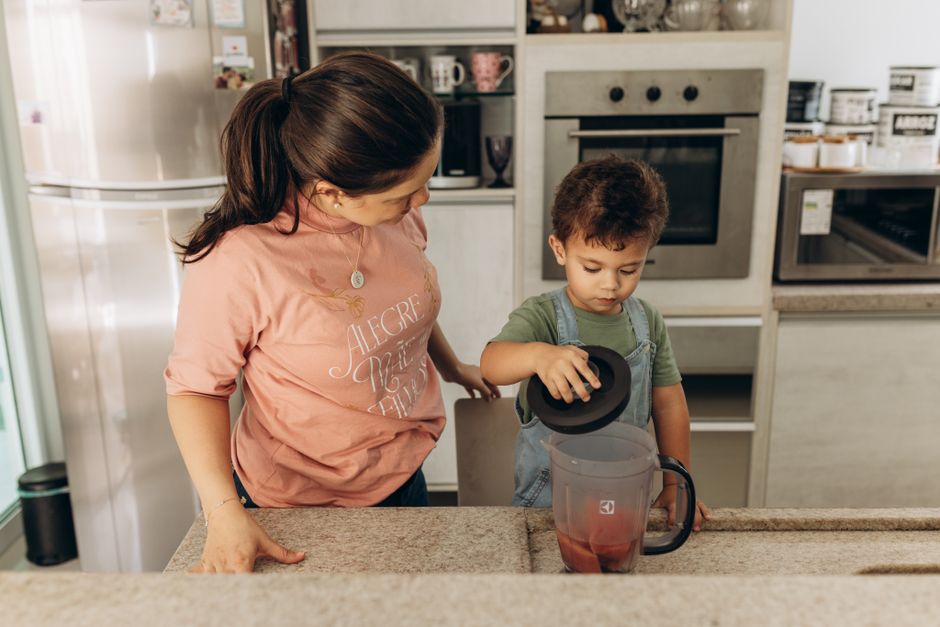
- Single or couple: Personal blenders (16–24 oz) or small processors (7–9 cups) reduce waste and save counter space.
- Families or entertainers: Larger blenders (48–72 oz) and processors (12–16 cups) handle bulk prep efficiently.
4. Look for Versatility and Attachments
- Multi-speed control enables fine-tuning texture.
- Food processors with slicing discs, shredding blades, and dough hooks cover more prep tasks.
- Some blenders include tamper tools and personal blending jars for convenience.
5. Ease of Cleaning Saves Time
- Dishwasher-safe parts are a must for busy kitchens.
- Simple assembly and fewer components speed up cleanup.
- Sealed motor bases prevent liquid damage and ease wiping.
Recommended Models by Use Case
| Model | Type | Wattage | Capacity | Key Features | Price Range |
|---|---|---|---|---|---|
| Vitamix 5200 | Blender | 1380 W | 64 oz | Variable speed, self-cleaning | $400–$500 |
| Cuisinart DFP-14BCNY | Food Processor | 720 W | 14 cups | Multiple blades, large feed chute | $150–$200 |
| Ninja Personal Blender 900W | Blender | 900 W | 24 oz | Pulse function, travel lids | $60–$80 |
| Breville Sous Chef 16 Pro | Food Processor | 1200 W | 16 cups | Wide range of accessories | $400–$500 |
Key Takeaways
- Choose blenders for liquid-based tasks and food processors for solid food prep.
- Higher wattage means more power but consider your usage frequency for value.
- Size and capacity should align with how much food you prep regularly.
- Multi-functionality increases appliance value but may add complexity.
- Cleaning ease is crucial for sustained use and convenience.
You May Also Like
- How Instant Pot Duo Plus Pressure Cooking Times Compare to Traditional Slow Cooking
- How Instant Pot Duo Plus Pressure Cooking Times Compare to Traditional Slow Cooking
- Staub vs Le Creuset: Enamel Durability and Heat Spread Compared
FAQ
Can a blender replace a food processor?
Blenders can handle some food processor tasks but usually struggle with thick doughs, slicing, or shredding. For versatility, having both is ideal.
What wattage do I need for crushing ice?
Look for blenders with at least 800 watts and sturdy blades designed to crush ice effectively and safely.
Are food processors dishwasher safe?
Most modern food processors have dishwasher-safe bowls and blades, though motor bases should always be hand-wiped.
How to maintain blender blades sharpness?
Avoid blending hard non-food items; clean blades promptly and consider occasional professional sharpening if applicable.
This is informational content. Features and pricing may vary by region and retailer.
For a deeper dive into specific models, check out our related posts: Vitamix vs Blendtec vs Ninja: Best High-Performance Blender and Best Food Processors: Cuisinart vs KitchenAid vs Breville.
Note: I regularly update this article as new information becomes available. Last reviewed: April 2026.
📌 You May Also Like
🔍 Explore More Topics
🔗 Helpful Resources