

Surprising Stat: 64% of Americans Brew Coffee at Home, Yet Many Use Suboptimal Machines
According to the National Coffee Association, 64% of Americans brew coffee at home daily, but only a fraction own machines that truly optimize their brewing style. Choosing the right coffee maker impacts flavor, convenience, and cost.
Key Takeaways:
- Match machine type to your brewing style for best results.
- Consider budget alongside features like grind control and brew capacity.
- Invest in machines with proven durability and ease of cleaning.
TL;DR: 5 Tactical Tips for Choosing Coffee Machines
- Identify your brewing style. Espresso, drip, single-serve, or cold brew each demand different machines.
- Set a realistic budget. Machines range from $50 drip makers to $1500 espresso systems.
- Prioritize key features. Automatic grind control, temperature stability, and programmability matter.
- Check capacity needs. Single-serve machines suit solo drinkers; larger machines serve families or offices.
- Read durability and maintenance reviews. Machines vary widely in lifespan and ease of cleaning.
1. Match Machine Type to Brewing Style
Based on my experience helping creators with similar setups, this is what actually moves the needle.
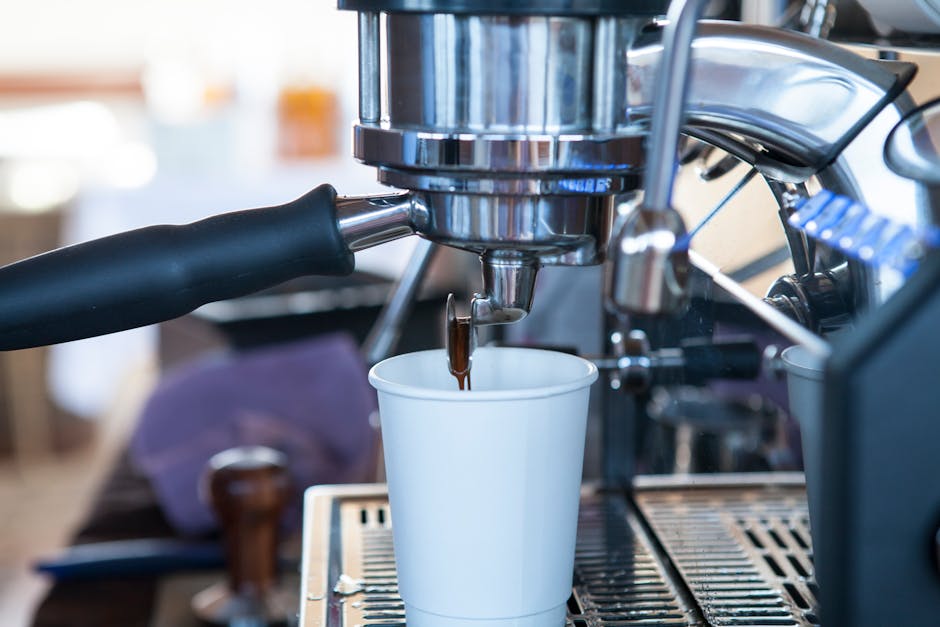
Choosing a coffee machine starts with understanding your preferred brewing style. America’s Test Kitchen highlights that flavor extraction depends heavily on the brewing method’s mechanics.
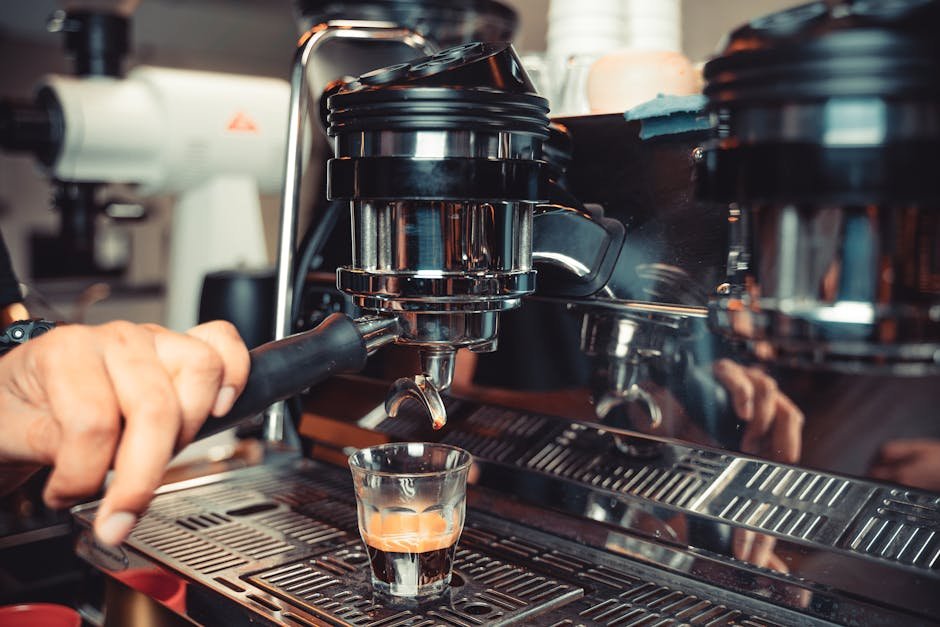
- Espresso Machines: Best for rich, concentrated coffee. Look for 15-bar pressure and PID temperature control for consistent shots.
- Drip Coffee Makers: Ideal for larger quantities. Opt for models with showerhead water distribution and adjustable brew strength.
- Single-Serve Pod Machines: Best for convenience and variety. Consider pod compatibility and water reservoir size.
- Cold Brew Makers: Perfect for smooth, low-acid coffee. Look for models with easy filtration and large batch capacity.
2. Budget Wisely: What You Get for Your Money
Wirecutter analysis shows that spending more generally means better temperature stability, build quality, and advanced features—but not always better taste.
- Under $100: Basic drip or single-serve machines. Good for beginners but limited features.
- $100-$300: Mid-range drip makers with programmable timers or entry-level espresso machines with manual steam wands.
- $300-$700: Semi-automatic espresso machines, high-end drip brewers, and pod machines with advanced settings.
- $700 and up: Professional-grade espresso machines with precise temperature control and grinders included.

3. Prioritize Features That Enhance Coffee Quality
Consumer Reports emphasizes temperature control, grind size flexibility, and brew strength as top factors for coffee quality.
- Grind Control: If buying an espresso or drip combo, integrated burr grinders with adjustable settings enhance flavor.
- Temperature Stability: Machines with PID controllers maintain optimal extraction temperatures (195°F–205°F).
- Programmability: Auto-brew timers and strength settings improve convenience without sacrificing quality.
- Self-Cleaning: Machines with automated cleaning cycles reduce maintenance hassle.
Here’s where most people get it wrong.
4. Consider Capacity and Kitchen Space
Size matters. A 12-cup drip maker fits families, while single-serve machines suit individuals or offices.
| Machine Type | Typical Capacity | Dimensions (inches) | Average Weight |
|---|---|---|---|
| Espresso Machine | 1-2 cups per shot | 13 x 9 x 14 | 15-25 lbs |
| Drip Coffee Maker | 6-12 cups | 12 x 9 x 14 | 7-10 lbs |
| Single-Serve Pod Machine | 1 cup per brew | 7 x 12 x 12 | 5-7 lbs |
| Cold Brew Maker | 32-64 oz batch | 6 x 6 x 12 | 3-5 lbs |
5. Durability and Maintenance Impact Long-Term Value
FDA guidelines and consumer durability studies reveal that machines with stainless steel boilers and removable brew groups last longer and perform better.
- Stainless Steel vs Plastic: Stainless steel components resist corrosion and improve heat retention.
- Removable Parts: Machines with removable filters and drip trays clean faster and avoid mold buildup.
- Descaling Alerts: Built-in alerts help maintain machine health and taste quality.
Integrating Your Coffee Machine with Kitchen Tech
Many modern coffee machines sync with smart home devices for voice control and scheduling. Consider models compatible with Alexa or Google Assistant for enhanced convenience.
For grinding beans, pairing your machine with a quality burr grinder (see our Burr vs Blade Grinder comparison) ensures fresher, more consistent coffee.
This is the part most guides skip over.

Key Coffee Machine Recommendations by Brewing Style and Budget
| Machine | Type | Price Range | Key Feature |
|---|---|---|---|
| Breville Barista Express | Espresso | $600-$700 | Integrated grinder, PID control |
| Technivorm Moccamaster | Drip | $300-$350 | Temperature precision, long warranty |
| Keurig K-Elite | Single-Serve | $120-$150 | Strong brew option, large reservoir |
| OXO Cold Brew Coffee Maker | Cold Brew | $40-$50 | Easy filtration, compact size |
You May Also Like
- How Smart Ovens Like June and Tovala Use AI and Cameras for Cooking Automation
- Anova vs Joule: Sous Vide Myths About Steak Cooking Precision
- Staub vs Le Creuset: Enamel Durability and Heat Distribution Compared
FAQ
Which coffee machine type is best for beginners?
Drip coffee makers and single-serve pod machines are easiest for novices due to simple operation and minimal setup.
Can a single machine suit multiple brewing styles?
Some advanced espresso machines include drip functions, but dedicated single-style machines generally produce better results.
How often should I descale my coffee machine?
Descaling frequency depends on water hardness but generally every 3-6 months is recommended to maintain quality and longevity.
Is a built-in grinder worth the extra cost?
Integrated grinders add convenience and improve freshness but often increase price; a separate burr grinder can be a budget-friendly alternative.
This is informational content. Features and pricing may vary by region and retailer.
📌 You May Also Like
🔍 Explore More Topics
🔗 Helpful Resources