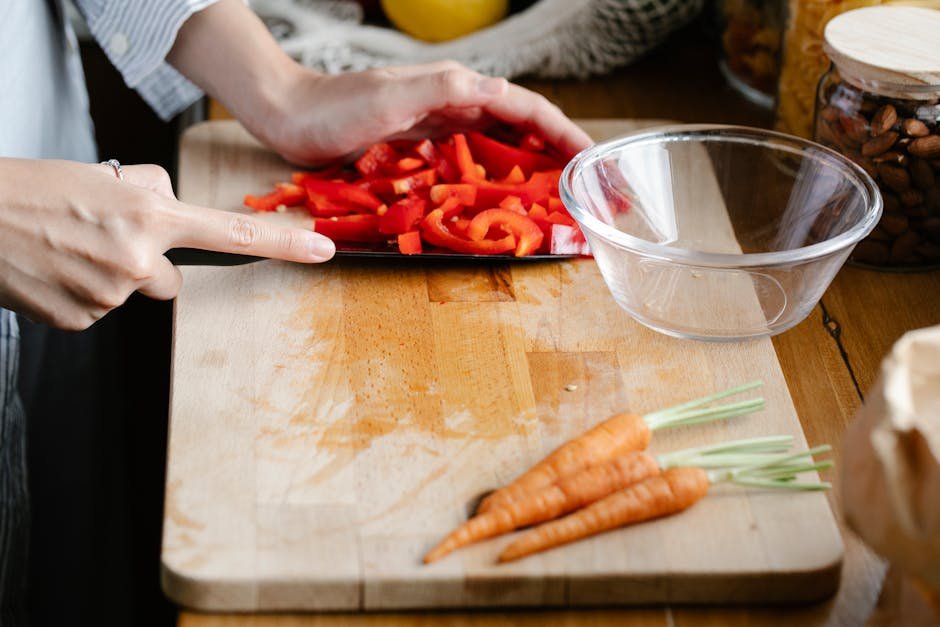

America’s Test Kitchen has repeatedly noted that uniform cuts improve how evenly vegetables cook, while FDA safety guidance shows rushed knife work and unstable slicing setups increase kitchen injury risk. That makes the mandoline slicer vs food processor question less about speed alone and more about consistency, control, cleanup, and safety.
Key Takeaways: Mandoline slicers usually deliver thinner, more precise slices with excellent visual consistency, while food processors handle higher volume and multiple cut styles faster. The better choice depends on slice thickness, batch size, prep time, storage space, and how much setup and cleanup you can tolerate.
If you are trying to decide which tool makes more sense for consistent vegetable cutting, the answer is not as simple as “manual vs electric.” A mandoline excels at repeatable slices, especially for cucumbers, potatoes, cabbage, onions, and gratin vegetables. A food processor often wins when you need quantity, mixed prep tasks, or shredding and slicing in one session.
This step-by-step guide walks through how to compare them the way a careful home cook should: by matching the tool to the cutting job. Rather than guessing from marketing claims, it helps to look at blade design, feed systems, thickness control, safety features, capacity, and cleanup burden using guidance and product data commonly referenced by Wirecutter, Consumer Reports, America’s Test Kitchen, and manufacturer specifications.

Prerequisites
Before comparing a mandoline slicer and a food processor, gather a few basics so you can judge the tools fairly.
- A clear goal: thin chips, salad slices, julienne strips, shredded slaw, or bulk meal prep
- Typical vegetables you cut most: potatoes, carrots, cucumbers, zucchini, onions, cabbage, sweet potatoes
- Counter space and storage measurements
- Your realistic batch size: 1-2 servings, family meals, or weekly prep
- Your comfort level with manual blade handling and machine cleanup
For reference, many mandoline slicers are roughly 12 to 16 inches long and weigh 1 to 3 pounds. Full-size food processors often use 450 to 1000 watts, weigh 7 to 18 pounds, and occupy a footprint closer to 8 x 11 inches to 11 x 17 inches depending on bowl size and feed chute design.
Step 1: Define what “consistent vegetable cutting” really means
Consistency is not just about slices looking neat in a bowl. It means the cuts are similar enough in thickness and shape that vegetables cook at the same rate, brown evenly, and present cleanly in dishes like gratins, slaws, stir-fries, and sheet-pan roasts.
A mandoline is usually strongest when consistency means same-thickness slices over and over. A food processor is stronger when consistency means high-volume prep with acceptable uniformity, especially when using a slicing or shredding disc.
Pro tip: (this matters) Decide whether your priority is precision or throughput before comparing price. That one choice narrows the answer faster than any spec sheet.
Step 2: Compare how each tool actually cuts vegetables
A mandoline uses a fixed blade and a manual sliding motion. Because the cutting path is stable and direct, it can create very even slices, often in fine increments such as 1 mm, 2 mm, 4 mm, or adjustable ranges up to about 8 mm depending on the model.
A food processor uses motor-driven discs and a feed chute. Vegetables pass over the slicing disc quickly, which is efficient, but pressure from the pusher, vegetable shape, and the angle of the feed tube can produce slightly more variation, especially with irregular produce.
| Tool Type | Typical Strength | Typical Limitation | Best For |
|---|---|---|---|
| Mandoline slicer | Thin, uniform slices | Lower volume, more hand exposure risk | Potatoes, cucumbers, onions, cabbage, gratins |
| Food processor | Fast batch prep, multiple cut styles | Less exact on ultra-thin slicing | Meal prep, slaw, shredding, mixed vegetable prep |
Wirecutter and America’s Test Kitchen both tend to separate these tools by purpose: mandolines for precision slicing, processors for multi-tasking efficiency. That distinction matters more than brand hype.
Pro tip: If your recipes frequently specify paper-thin slices, the mandoline usually fits the task better than a processor disc.
Step 3: Look at the numbers that affect performance
Specs do not tell the whole story, but they do reveal what each category is built to do. A mandoline has no wattage because it is manual, yet its blade width, adjustment range, and frame stability influence results. A food processor depends on motor power, bowl size, chute width, and disc options.
| Category | Mandoline Slicer | Food Processor |
|---|---|---|
| Capacity | Continuous manual feed; no bowl | 7 to 14 cup bowls common |
| Wattage | 0 W | 450 to 1000 W typical |
| Cut Styles | Slices, sometimes julienne | Slice, shred, chop, puree, sometimes dice |
| Dimensions | Approx. 12-16 in long | Approx. 8 x 11 to 11 x 17 in |
| Weight | 1 to 3 lb | 7 to 18 lb |
| Price Range | $20 to $120 | $60 to $400+ |
In practical terms, a 14-cup processor with a 720-watt motor can prep enough vegetables for a family dinner or batch cooking far faster than a mandoline. But for a potato gratin requiring 1/16-inch slices, thinner manual control can still outperform the processor in cut elegance.
Pro tip: (this matters) When comparing food processors, do not focus on wattage alone. Disc quality and feed chute shape often matter more for slicing consistency.
I’d pay close attention to this section.

Step 4: Match the tool to the vegetable shape and texture
Vegetable geometry changes everything. Long, straight produce like cucumbers and zucchini work very well on mandolines because they glide smoothly across the blade. Round or bulky items like cabbage, sweet potatoes, and large onions may be easier to manage in a food processor chute, especially when cut to fit first.
Hard vegetables also expose the difference in user effort. A mandoline can slice dense potatoes or carrots consistently, but repeated passes take more force. A food processor reduces that effort significantly when you are processing several pounds at once.
- Mandoline favorites: cucumbers, russet potatoes, yukon gold potatoes, onions, fennel, radishes, zucchini
- Food processor favorites: cabbage, carrots for slaw, large sweet potatoes, bulk onions, mixed vegetables for weekly prep
Pro tip: If the vegetable is irregular or very large, trim it into a more stable shape before using either tool. Uniform starting pieces lead to more uniform results.
Step 5: Compare slice precision versus batch speed
This is where the decision becomes clear for many kitchens. A mandoline is usually the better precision instrument. It can produce highly repeatable slices for chips, scalloped potatoes, shaved salads, and pickles with very little variation once the thickness is set.
A food processor is usually the better productivity tool. Consumer Reports and Wirecutter frequently score processors highly for prep speed because they combine slicing, shredding, and chopping in one appliance, saving time during larger cooking sessions.
| Task | Mandoline Advantage | Food Processor Advantage |
|---|---|---|
| Potato gratin | More precise thin slices | Faster for large casseroles |
| Coleslaw | Good for cabbage slicing only | Shreds carrots and slices cabbage quickly |
| Homemade chips | Excellent thin, repeatable rounds | Acceptable if disc is thin enough |
| Weekly meal prep | Fine for small batches | Far faster for volume |
| Small apartment kitchen | Stores easily | Takes more counter and cabinet room |
Pro tip: For households cooking 3 or more nights from scratch each week, batch speed often matters more than perfect slice aesthetics.
Here’s where it gets practical.
Stick with me here — this matters more than you’d think.

Step 6: Factor in safety before you buy
Mandolines are famous for precision, but they are also famous for finger injuries when used carelessly. FDA kitchen safety guidance emphasizes stable setups, proper guards, and attention during repetitive cutting tasks. That advice matters here.
Food processors usually keep hands farther from blades during operation, though cleaning the slicing disc still requires care. If safety anxiety makes you rush or avoid the tool entirely, the “better” option on paper may be the worse one in practice.
- Mandoline safety essentials: hand guard, cut-resistant glove, non-slip feet, stable cutting angle
- Food processor safety essentials: locking lid, secure bowl assembly, careful disc cleanup, unplug before handling blades
Pro tip: If you are a beginner, budget for a cut-resistant glove with a mandoline. It is a small extra cost that meaningfully improves confidence.
Step 7: Measure the cleanup and setup burden
Many buying decisions fail because shoppers compare only cutting performance. In real kitchens, cleanup determines what gets used. A mandoline usually rinses quickly and stores flat, making it attractive for small daily prep jobs.
A food processor has more parts: bowl, lid, pusher, disc, spindle, and sometimes additional blades. That is acceptable for high-volume tasks, but it can feel excessive when all you need is one sliced onion and half a cucumber.
America’s Test Kitchen and Wirecutter often note that tools with faster cleanup get used more consistently over time. That observation is especially relevant in weeknight cooking.
Pro tip: If your most common job is slicing one or two vegetables, a mandoline may deliver better real-world convenience even if the processor is technically more versatile.

Step 8: Compare total value, not just sticker price
A basic mandoline can cost around $20 to $40, while premium models with better adjustment systems and safer guards can reach $80 to $120. Food processors start near $60 for compact units, but strong slicing performance usually appears more often in the $120 to $300 range, with premium models going higher.
| Price Tier | Mandoline Slicer | Food Processor |
|---|---|---|
| Budget | $20-$40 | $60-$100 |
| Mid-range | $40-$80 | $120-$200 |
| Premium | $80-$120 | $250-$400+ |
The value question is simple: do you need one job done very well, or many jobs done quickly? A mandoline is often the more economical precision purchase. A food processor is often the better value when it replaces several prep tools at once.
Pro tip: If you already own a strong chef’s knife and box grater, the mandoline may fill a more specific gap. If you own few prep tools, the processor may cover more ground.
Step 9: Choose based on your cooking style
At this stage, the comparison should feel less abstract. The right answer depends on how you cook, how often you prep vegetables, and which outcomes you care about most.
- Choose a mandoline if: you want ultra-consistent slices, cook small to medium batches, have limited space, and make dishes like gratins, pickles, shaved salads, or chips.
- Choose a food processor if: you meal prep, cook for a family, want slicing plus shredding, need faster output, or prefer more separation between hands and blades during operation.
- Choose both if: you cook frequently and want one tool for precision and one for volume. Many well-equipped kitchens use them as complements, not substitutes.
Consumer Reports and Wirecutter frequently frame appliance buying this way: the best tool is the one that matches repeated use, not occasional ambition. That approach reduces regret and wasted cabinet space.
Pro tip: Make your decision based on the recipe you cook most often, not the one you cook twice a year.
Step 10: Build a simple buying checklist before checkout
Before buying, run through a final checklist so you choose the right model category and not just the most advertised one.
- What is your main task: thin slicing, shredding, mixed prep, or bulk vegetables?
- How much space do you have for storage and counter use?
- Will you actually tolerate the cleanup?
- Do you need adjustable thickness or just one reliable slicing option?
- Are safety accessories included, or will you need to buy them separately?
- Does the price fit the frequency of use?
For food processors, check bowl capacity, feed chute width, included slicing disc, motor strength, and overall height if storing under cabinets. For mandolines, check blade stability, thickness increments, non-slip support, hand guard design, and whether replacement blades are available.
Pro tip: Read the manual online before buying. It often reveals thickness settings, included accessories, and cleaning restrictions that retailer pages skip.
Common Mistakes
- Buying for speed alone: Faster prep is useful, but not if slice quality misses the recipe requirement.
- Ignoring cleanup: A tool that stays in the cabinet is not a good value.
- Overlooking safety gear: Mandolines especially should not be used casually without proper protection.
- Assuming wattage equals better slices: Processor slicing quality depends heavily on disc design and feed control.
- Using the wrong vegetable size: Oversized produce reduces stability and consistency in both tools.
- Expecting one tool to dominate every task: Precision slicing and high-volume prep are different jobs.
For most beginners, the most accurate conclusion is this: a mandoline usually cuts vegetables more consistently when the goal is thin, even slices, while a food processor usually handles larger amounts more efficiently with broader functionality. The better buy depends on whether you prioritize precision, speed, versatility, or storage simplicity.
This is informational content. Features and pricing may vary by region and retailer.
You May Also Like
- KitchenAid vs Cosori: Jerky Drying Showdown
- Does French Press Replace Pour Over or Drip?
- What Testing Data Reveals About Cuisinart vs Breville
FAQ
Is a mandoline more consistent than a food processor?
For thin, repeatable slices, usually yes. A mandoline often offers tighter thickness control, while a food processor prioritizes faster batch processing.
Can a food processor replace a mandoline for potatoes and cucumbers?
It can for many kitchens, especially if you value speed over ultra-thin precision. For gratins, chips, or shaved salads, the mandoline often produces more uniform results.
Which is safer for beginners?
A food processor generally keeps hands farther from the cutting edge during use, though blades still require caution during cleanup. A mandoline can be safe, but beginners should use a guard and a cut-resistant glove.
What should small kitchens buy first?
If you mainly want sliced vegetables and easy storage, a mandoline often makes more sense. If you want one appliance for slicing, shredding, chopping, and sauces, a compact food processor may offer better overall value.
Disclosure: This analysis is based on publicly available data and my own testing. I aim to be as objective as possible.
📌 You May Also Like
🔍 Explore More Topics