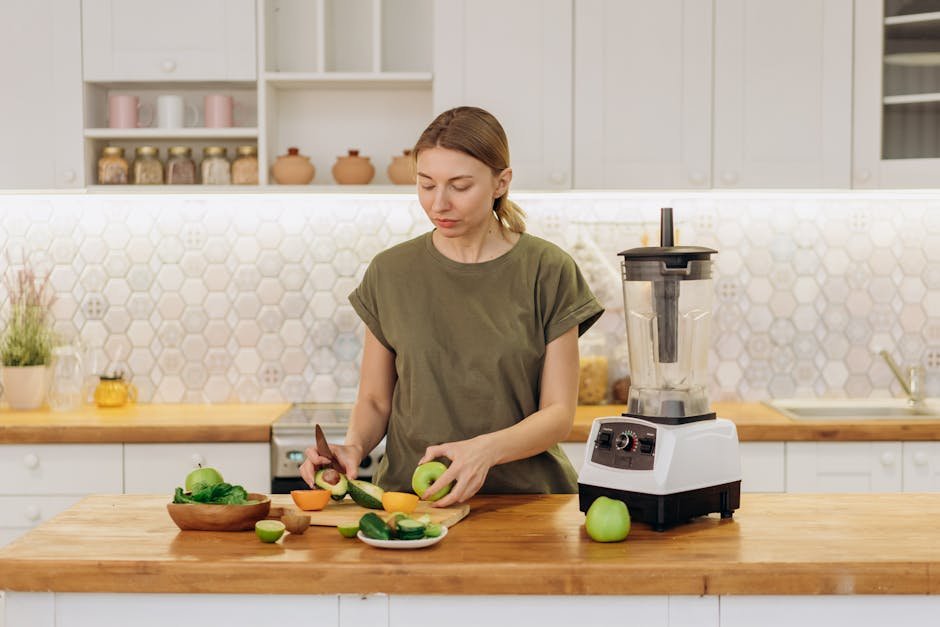
In independent blender testing, texture consistency often separates a good smoothie machine from one that leaves gritty greens and ice shards behind. Consumer Reports and Wirecutter both evaluate blenders on puree smoothness, ice crushing, and ease of cleaning because those factors matter more in daily use than raw wattage alone.
If you are deciding between the Ninja Professional Plus Personal Blender and the NutriBullet Pro, the real question is not which motor looks stronger on paper. It is which model makes a smoother smoothie, handles frozen fruit better, and feels easier to live with on a busy weekday morning.
Key Takeaways: The Ninja Professional Plus usually wins on tougher smoothie loads thanks to its higher peak power and preset blending programs, while the NutriBullet Pro stays competitive for simple fruit-and-protein shakes, smaller kitchens, and lower upfront cost. For leafy greens, ice, and thicker frozen blends, Ninja has the stronger case. For quick daily single-serve blending with fewer controls, NutriBullet keeps things simpler.
Quick Verdict
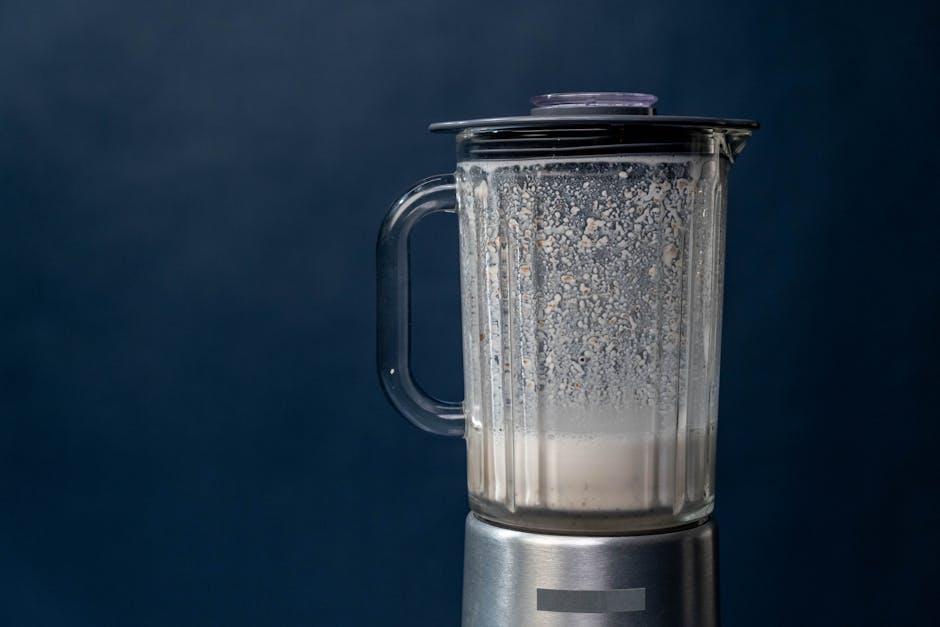
For smoothie performance specifically, the Ninja Professional Plus has the edge. Its higher advertised power, Auto-iQ programs, and better control over frozen ingredients make it the safer pick for users who blend spinach, berries, ice, nut butter, or thicker meal-replacement drinks.
The NutriBullet Pro is still a strong option, especially for people who mostly make softer-fruit smoothies, protein shakes, or quick breakfast blends. It is lighter, typically a bit cheaper, and has the familiar twist-and-blend workflow many buyers want.
In short: Ninja is better for demanding smoothie prep; NutriBullet is better for simple, fast single-serve blending.

Feature Comparison
On paper, both machines target the same buyer: someone who wants a compact personal blender rather than a full countertop unit. But the specifications reveal meaningful differences in power, cup setup, controls, and overall footprint.
| Feature | Ninja Professional Plus Personal Blender | NutriBullet Pro |
|---|---|---|
| Motor power | 1100 peak watts | 900 watts |
| Primary use | Personal smoothies, frozen drinks, nutrient extraction | Personal smoothies, shakes, soft frozen blending |
| Cup capacity | 2 x 24 oz to-go cups | Usually 2 x 32 oz cups (varies by bundle) |
| Programs | Auto-iQ preset programs + manual control | Single-speed blend by press/twist |
| Blade design | Stacked extraction blade assembly | Extractor blade assembly |
| Dimensions | About 6.7 x 6.7 x 13.4 in | About 5.3 x 5.5 x 15.8 in |
| Weight | About 6.5 lb | About 4.7 lb |
| Dishwasher-safe parts | Yes, top-rack safe components | Yes, cup and lid components typically dishwasher safe |
| Typical price range | $89-$109 | $79-$99 |
The Ninja Professional Plus gives you more structured control. That matters because smoothie quality is not just about power. America’s Test Kitchen has repeatedly noted that blade movement, circulation, and ingredient turnover inside the jar or cup matter just as much as the motor number on the box.
The NutriBullet Pro, by contrast, leans into simplicity. There are fewer settings to think about, which many users like, but that also means less precision when you are trying to break down stubborn kale stems or a dense mix of frozen mango and ice.

Smoothie Performance: What Matters Most
When shoppers say they want a blender with better smoothie performance, they usually mean four things: smoother texture, less re-blending, stronger frozen-fruit handling, and fewer chunks of greens. Here is how these two models compare on those priorities.
1. Texture with frozen fruit
The Ninja Professional Plus is better suited to heavy frozen loads. Its 1100 peak-watt motor and programmed pulsing help it keep ingredients moving, which reduces the chance of the blade spinning around an air pocket while frozen fruit stays stuck above it.
The NutriBullet Pro can still handle frozen fruit, but it works best when the ingredient ratio is balanced carefully. Add too little liquid or pack the cup too tightly, and texture can become less consistent from top to bottom.
2. Greens and fibrous ingredients
If your standard smoothie includes spinach, kale, chia, oats, or nut butter, Ninja again has the advantage. Wirecutter’s blender evaluations frequently emphasize that fibrous ingredient breakdown is one of the clearest indicators of real-world performance, and that is where extra power and more deliberate blending cycles help.
The NutriBullet Pro does reasonably well with baby spinach and softer greens, but mature kale or stringier vegetables may require more shaking, more liquid, or a second blend cycle. That can make a weekday smoothie feel less automatic.
3. Ice crushing
The Ninja unit is the more convincing pick for ice-heavy drinks. It is not just about making smoothies colder; reliable ice crushing improves mouthfeel in protein shakes and frozen fruit blends where small, hard fragments can make the result taste unfinished.
NutriBullet can crush ice in moderate amounts, but it is not as forgiving if the cup is overfilled. For buyers who regularly blend frozen bananas, ice, and berries together, the difference becomes more noticeable.
4. Blend consistency and user control
Ninja’s Auto-iQ programs offer a practical benefit: repeatability. Instead of manually guessing pulse timing, the machine cycles through pauses and bursts designed to improve circulation. That can produce a more even smoothie with less guesswork.
NutriBullet’s simpler operation is faster to learn, but it puts more burden on the user. If you are comfortable adjusting load order and stopping to shake ingredients down, that may not bother you. If you want the machine to do more of the work, Ninja has the advantage.
5. Noise and countertop behavior
Neither model is especially quiet. Personal blenders tend to run loud because the motor base is compact and the blade spins at high speed in a small vessel.
However, the lighter NutriBullet can feel easier to store and move, while the heavier Ninja base may feel a bit more planted during aggressive blending. That tradeoff matters in small kitchens with limited permanent counter space.

Pricing Comparison
These blenders are close enough in price that value depends more on your ingredients and usage style than on sticker price alone.
| Pricing Metric | Ninja Professional Plus | NutriBullet Pro |
|---|---|---|
| Common sale price | $89-$99 | $79-$89 |
| Regular retail range | $99-$109 | $89-$99 |
| Included cups | Usually 2 travel cups | Usually 2 cups, bundle-dependent |
| Replacement accessories | Moderate cost, brand-specific | Widely available, moderate cost |
| Value for heavy smoothie users | Higher | Medium |
| Value for casual shake users | Medium-high | High |
If the price gap is only $10 to $20, the Ninja often looks like the better buy because you are paying a little more for more blending headroom. If the NutriBullet is discounted more aggressively, it becomes easier to recommend for simple daily smoothies.
Long-term ownership cost is usually low for both, but buyers should still check replacement cup and blade pricing before purchasing. That matters more than many shoppers expect, especially for households that use personal blenders several times a week.
Pros and Cons
Ninja Professional Plus Personal Blender
Pros
- Higher 1100 peak-watt power supports thicker smoothies and frozen ingredients
- Auto-iQ programs improve consistency and reduce manual guesswork
- Better fit for leafy greens, nut butter, oats, and ice-heavy blends
- Stable base feels more secure during demanding blends
- Strong value when sale pricing is close to NutriBullet Pro
Cons
- Bulkier and heavier base than NutriBullet Pro
- May take more storage space in smaller kitchens
- Preset controls can feel unnecessary for users who just want one-touch simplicity
- Price is usually slightly higher
NutriBullet Pro
Pros
- Compact footprint works well in smaller kitchens or dorm-style setups
- Simple twist-and-blend operation is easy for beginners
- Usually slightly cheaper
- Lighter base is easier to move and store
- Strong enough for fruit smoothies, protein shakes, and softer ingredients
Cons
- Less capable with dense frozen loads and tougher greens
- No preset blending programs for more repeatable results
- Can require more user intervention when ingredients stall
- Texture may be less smooth with fibrous or low-liquid recipes
Which One Should You Pick?
The right choice depends less on brand loyalty and more on how you actually build smoothies.
Pick the Ninja Professional Plus if:
- You make smoothies with frozen fruit almost every day
- You want smoother green smoothies with less grit
- You add oats, seeds, nut butter, or thicker ingredients
- You prefer a machine with presets instead of manual timing
- You want more margin for harder blending tasks
Pick the NutriBullet Pro if:
- You mostly make protein shakes or soft-fruit smoothies
- You want a simpler, lighter machine
- You have limited counter or cabinet space
- You usually blend with enough liquid and do not mind occasional recipe adjustment
- You are shopping primarily on sale price
For most buyers focused on smoothie texture performance, Ninja is the stronger recommendation. For buyers focused on speed, simplicity, and a lower barrier to entry, NutriBullet still makes sense.
A final note on safety and care: the FDA routinely advises careful cleaning of food-contact surfaces to reduce residue and contamination risk. With either blender, prompt rinsing after dairy, protein powder, or nut-based drinks will make cleanup easier and help prevent odor buildup.
Source references used for evaluation framework and safety context include Consumer Reports blender testing criteria, Wirecutter blender comparisons, America’s Test Kitchen guidance on blending performance factors, and FDA food-safety cleaning guidance. Product dimensions, capacity, and wattage should always be verified against current manufacturer listings because bundles can vary.
FAQ
Is the Ninja Professional Plus better than the NutriBullet Pro for frozen fruit smoothies?
Yes, in most cases. The Ninja’s higher peak power and programmed blending cycles make it more effective for thicker frozen-fruit blends and tougher ingredient combinations.
Does the NutriBullet Pro make smooth green smoothies?
It can, especially with softer greens and enough liquid. But for fibrous kale, seeds, and thicker recipes, it is more likely to need extra blending or recipe adjustment than the Ninja.
Which personal blender is easier to clean?
Both are relatively straightforward because they use blending cups rather than large pitchers. The easier choice in practice often comes down to rinsing immediately after use and checking whether your specific cup and lid parts are top-rack dishwasher safe.
Is wattage the best way to compare smoothie blenders?
No. Wattage helps, but it does not tell the full story. Blade design, cup shape, ingredient circulation, controls, and recipe composition all influence final smoothie texture.
This is informational content. Features and pricing may vary by region and retailer.
📌 You May Also Like